AISI 4023
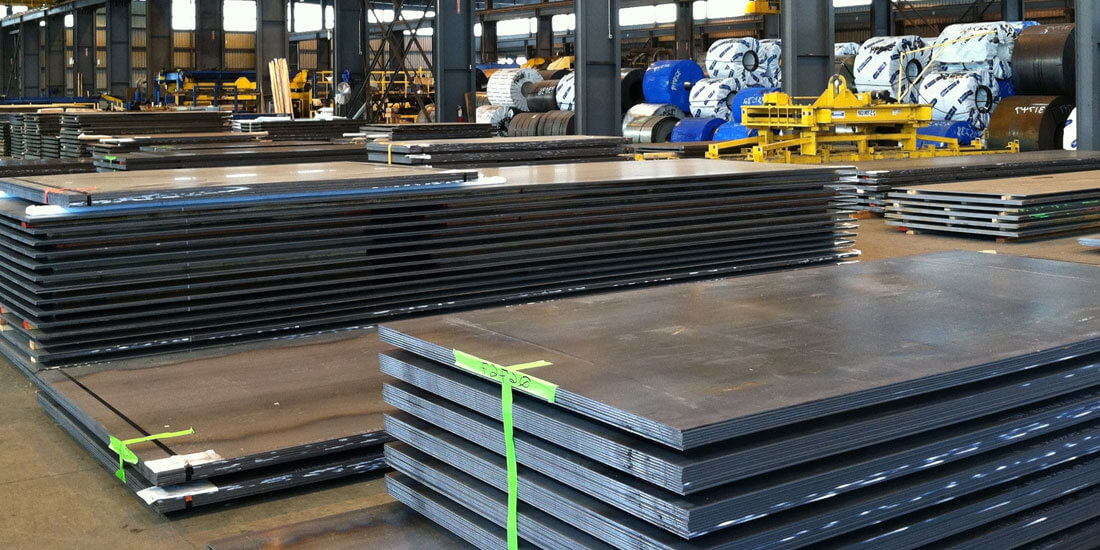
Alloy steels are steels containing elements such as chromium, cobalt, nickel. When compared with carbon steels, the alloy steels are a lot more responsive to mechanical and heat treatments. Alloy steels contain a variety of steels with compositions that exceed the limitations of Si, Va, Cr, Ni, Mo, Mn, B and C allocated for carbon steels. These steels are used in specific melting and deoxidization processes for particular kind of applications.
| Element | Content(%) |
|---|---|
| Iron, Fe |
~ 98 |
| Manganese, Mn | 0.70-0.90 |
| Carbon, C | 0.20-0.25 |
| Molybdenum, Mo | 0.20-0.30 |
| Silicon, Si | 0.15-0.30 |
| Sulfur, S | 0.04 (max) |
| Phosphorus, P | 0.035 (max) |
| Properties | Metric | Imperial |
|---|---|---|
| Elastic modulus | 190-210 GPa | 27557-30458 ksi |
| Poisson's ratio | 0.27-0.30 | 0.27-0.30 |
Sheets / Plates
| Production Route | Hot Rolled, Cold Rolled |
| Material Standard | AISI, ASTM, ASME, DIN, BS, EN, ISO, JIS, GOST, SAE, IS & Custom Chemistry |
| Size | Width from 100mm to 3000mm ; Length from 500mm to 12000mm |
| Thickness | 0.1mm to 400mm |
| Delivery Condition | As Rolled, Annealed, Quenched and Tempered, Normalized |
| Surface Finish | Plain, Brushed, Cladded |